Rule three of eleven.
The rulebook that your board game comes with sucks. It usually goes something like this: it starts with setup. Setup leads to components, components lead to exceptions to rules, and a few minutes in, nobody knows what a turn is for.
This is the teaching method that always loses the room's attention, and it happens because rulebooks are written to be complete, not to be performed out loud to people holding drinks.
The explanation you give at the table has a different job than the rulebook. A narrower one. Figure out what those job requirements are, and I promise, everything else will flow.
Before anyone sits down
Before you open your mouth to explain anything, make sure you can answer these without looking at the rulebook:
- What are players trying to accomplish?
- What does one normal turn look like?
- How does the game end?
- What mistake can unfairly ruin someone's first play?
- Which rules can wait until they come up?
If you can't answer all five, you're not ready. Run through the game yourself first (say ten minutes, usually less) and you'll be able to answer them.
Then, set up the board before anyone sits down: a piece on the table beats a description of it every time. Put reference cards where people can actually read them (not stacked in the corner of the box). The thing on the table is always clearer than its official component name, and your table will not remember the official component name anyway.
Start with the goal, then walk one turn
Set the high level first. Open with what players are trying to do and how the game ends. Then walk one ordinary turn with the pieces actually moving.
Most party games repeat one loop with different prompts, and that loop is what you're teaching. For Wavelength, the loop is: the Psychic sees a hidden target on the spectrum, gives one clue, the team argues the dial into position, the target is revealed. Scoring makes sense only after that loop has happened in the room once. Walk it with real pieces, say the words, move the dial. Then explain what the score means.
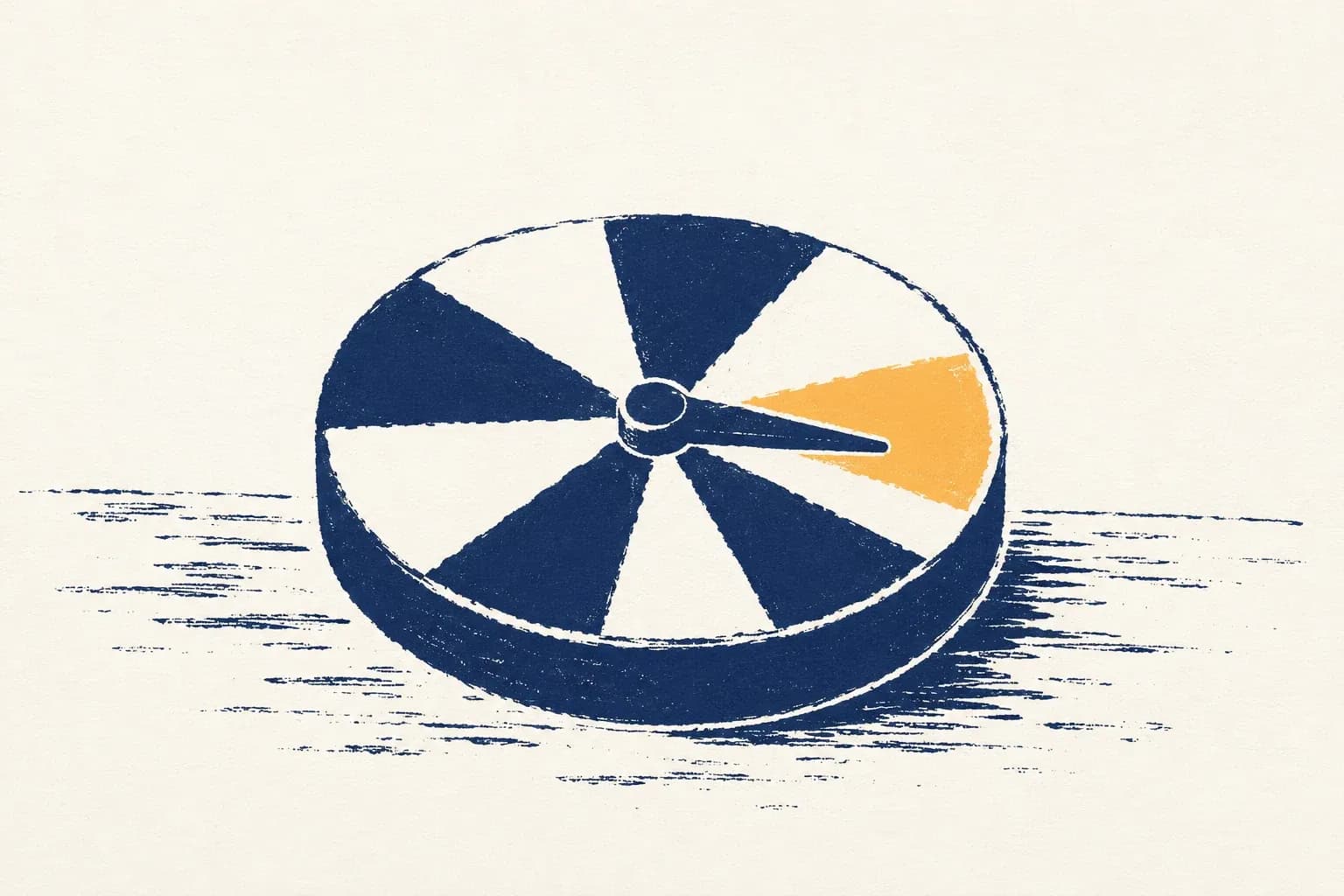
The explanation you give at the table has a different job than the rulebook.
Name the one rule they need for the first round
Every game generally has one or two rules that your players must know to make it one round. This rule should be explained before anyone takes an action (not after, when the damage is already done). The other, less important rules can come after.
For Codenames, that's the assassin and the clue restrictions. We once hit the assassin on the first clue of a Codenames night, and the clue was "obviously." Since everyone had heard the full long list of rules, the one rule that mattered here was not clear to them.
For Fishbowl, it's the fact that the same slips return for all three rounds (or rounds two and three sound impossible instead of inevitable).
For Just One, the duplicate-cancellation rule is the game itself. Three of us once wrote "cold" for the same word, and the only clue that survived was "brr." At three or four players, Just One's two-clue setup changes what everyone writes, so that goes up front too.
One rule at the start. Not five.
Run a practice turn before it counts
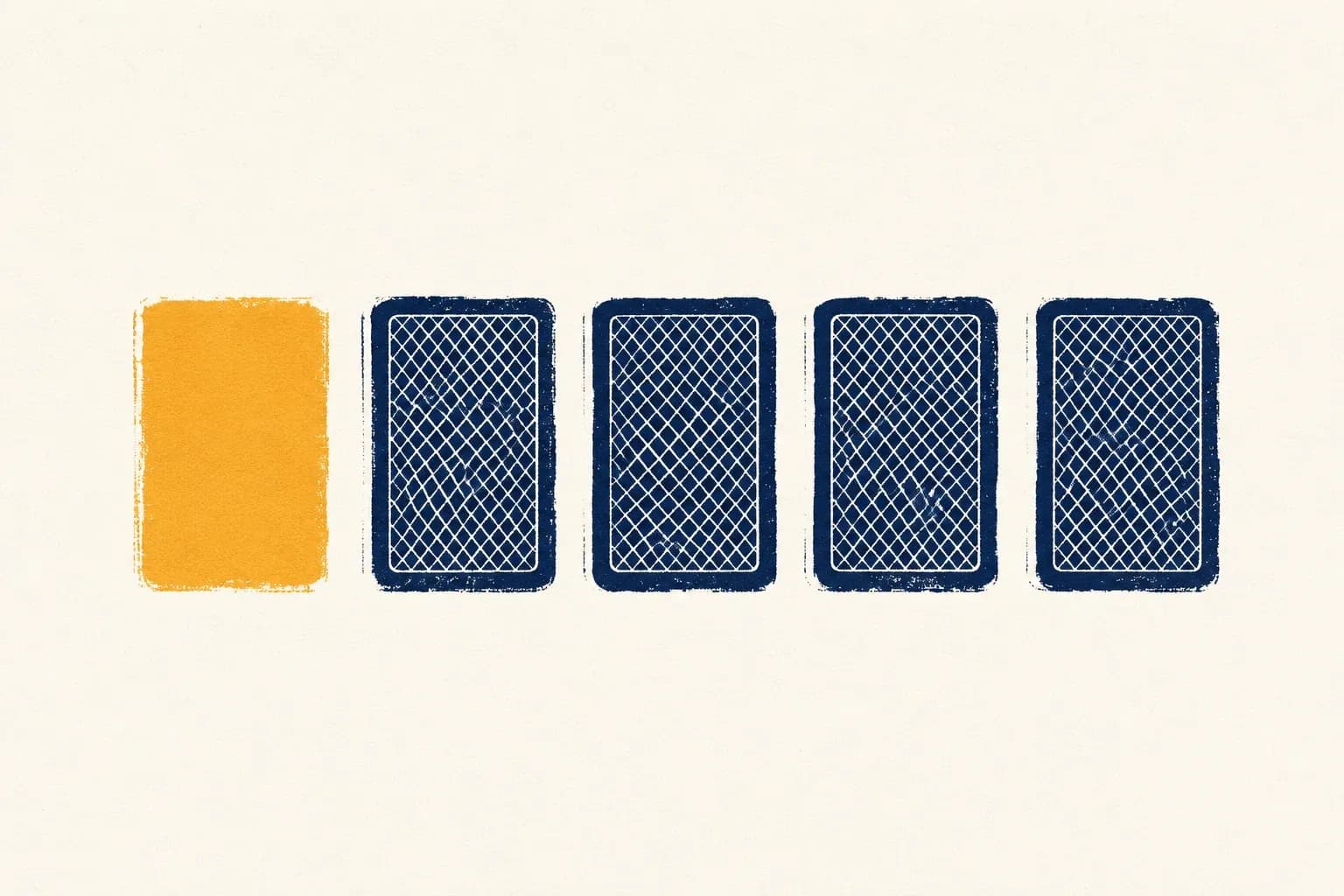
Play one turn with the cards face up (or whatever makes sense for your game to have information exposed, so the loop is visible), the table chooses one action together, and you explain consequences after the action. Then reset it with the score at zero.
A sample turn that only shows someone drawing a card teaches nobody. For Tapple, run one lap with no eliminations: everybody says a word, presses its letter, taps the timer, passes the wheel, so every pair of hands does the full sequence once before it counts. After that lap, instead of asking whether everyone understands, ask what happens next and see if people can answer.
What stays in the rulebook
Rules that cannot touch the opening rounds stay in the rulebook. Strategy advice, rare interactions, tie procedures: all of this can wait, I promise!
A rule moves earlier only when withholding it could punish someone for information they were never given. That's the way I decide: "Will someone lose unfairly because they didn't know this?"
And if all else fails...
You've tried it all. Stopped adding rules. Restated the goal in one sentence. Showed one ordinary turn. Called whatever just happened a practice round and reset any choice made on misunderstood information.
After all that, if the explanation still needs constant repair mid-play, switch to a game you know cold and save this game for another night. It's OK! Every game night has one session where something doesn't click. The better move is always another round of something that works.