We started with one rule: reward the games that made it back to the table, not
the ones we thought ought to. That left four winners that barely belong in the
same category. One runs on scraps of paper, one on shouted nonsense, and two on
what happens when an obvious clue meets everybody else's idea of obvious.
There is no overall champion here. Pick the award that sounds most like your
room.
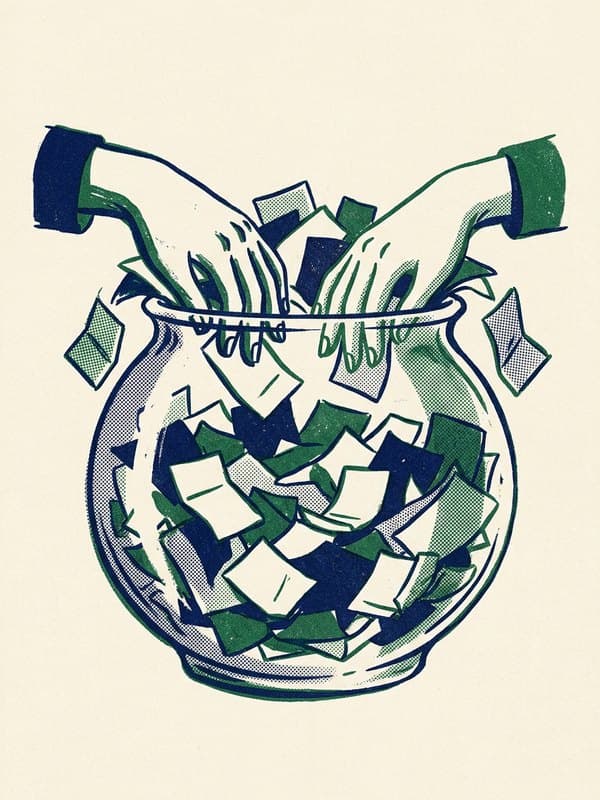 FISHBOWL
Best game made from scraps
Fishbowl →- Why it won
- The same slips come back under tighter clue rules. By round three, a mime that would have meant nothing at the start can land in four seconds.
- Best when
- Four to twelve people want teams, noise, and a little public embarrassment.
- Know before you pick it
- Round three is silent charades. Say that before people start writing; it is a rotten surprise for anyone who came to sit quietly.
Judging notes
Fishbowl starts with paper, pens, and a bowl. Then it gets better without adding anything. Forty-one plays in, it is still the easiest yes on this list.
We once put "the economy" in the bowl as a joke. By round three, Sam mimed it perfectly in four seconds. We still do not talk about how.
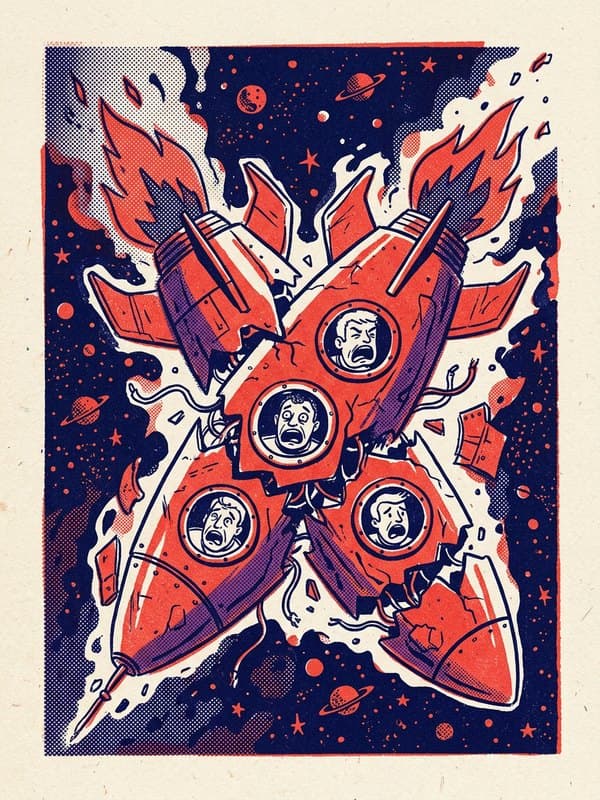 SPACETEAM
Best short disaster
Spaceteam →- Why it won
- The order on your screen belongs to somebody else's controls, so everyone has to shout and listen at once. The ship can explode in minutes and losing still feels like the point.
- Best when
- Three to eight people have a phone each, and talking over one another will not ruin the night.
- Know before you pick it
- A mismatched app version or connection method can eat the joke before launch. Open the app on every phone while the room is quiet.
Judging notes
Let the first run be a connection test. Restarting a thirty-second disaster is easier than diagnosing one phone while everyone else waits.
Our downstairs neighbor once texted "is everything ok" during round two. That remains the clearest review we have received.
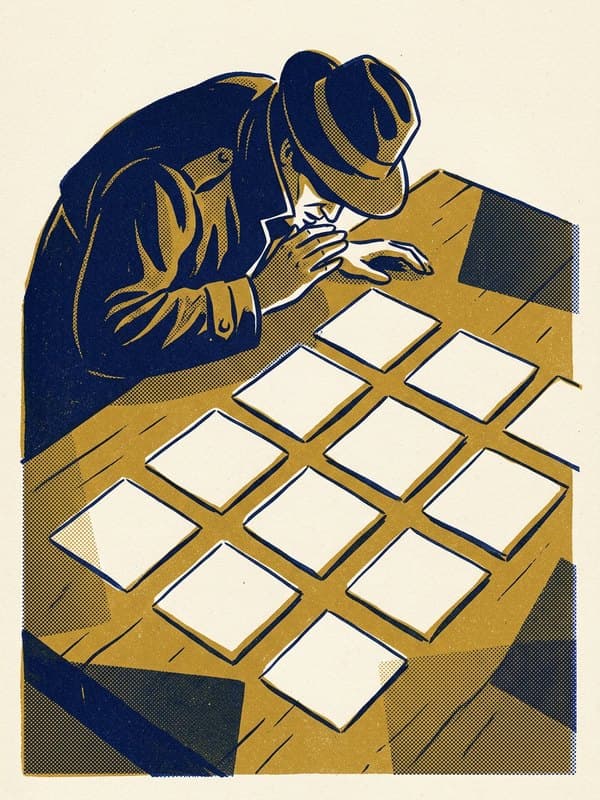 CODENAMES
Best argument over one word
Codenames →- Why it won
- A clue looks perfectly sensible until your team explains why it obviously means something else. That argument is the game.
- Best when
- Six to eight people want two teams, a word puzzle, and permission to overthink.
- Know before you pick it
- At four, it is a tight exchange rather than the talkative version we prefer. Give one clean clue example before the first turn.
Judging notes
Our standing evidence is "ocean" for "horse," supplied by a partner of nine years. We have not found a better summary of the game.
Have each team name its two strongest candidates before anybody reaches for a card. Reaching early cuts off the best part and may end the game.
 JUST ONE
Best quiet tension
Just One →- Why it won
- There is no timer and nobody is competing, yet the reveal still hurts. A clever clue can vanish because somebody else wrote the same clue.
- Best when
- Five to seven people want something cooperative, thoughtful, and quieter than the rest of this page.
- Know before you pick it
- The writing and cancellation happen in silence, so it drags for a group that wants constant chatter. A wrong guess costs two cards.
Judging notes
Three of us once wrote "cold" for the same word. The one clue that survived was "brr." This is why the obvious clue never feels safe.
Tell the guesser that passing is allowed before the first turn. The table feels less like a quiz once everyone knows a pass loses one card instead of the two lost on a wrong guess.